If you have never watched a professional bed bug exterminator work, the most surprising part is how calm and choreographed the visit feels. Underneath that calm sits a tight stack of safety protocols, refined through hundreds of jobs and thousands of hours in apartments, hotels, dorms, and single-family homes. These protocols protect your family, your belongings, our technicians, and your neighbors, and they matter just as much as the tools we use. I will walk you through what to expect from a bed bug extermination company that takes safety seriously, and how those choices affect results, cost, and your timeline.
What “safe bed bug removal” actually means
Safety covers more than chemical exposure. Done right, a bed bug removal service works to prevent fire risk during heat, maintain good air quality during any treatment, avoid power overloads, protect pets and aquariums, stop bugs from migrating to the next unit, and keep your furniture from getting damaged. It also means following pesticide labels to the letter, validating temperatures for heat treatment with data loggers, and documenting every step so you know what happened where and when.
When people search for a bed bug exterminator near me or a same day bed bug exterminator, they usually want speed. Speed is good, but safe speed is better. The best bed bug exterminator balances urgency with protocol. If you feel rushed, cornered into an approach, or unsure about reentry timelines, that is a signal to slow down and ask questions.
The first call, the first safety screen
When a client calls a bed bug pest control company, we start a structured intake. We ask about bites, sightings, recent travel, used furniture, neighboring units, and pets, but also medical conditions. If someone in the home is pregnant, asthmatic, immunocompromised, under chemotherapy, or has multiple chemical sensitivities, we adapt, sometimes moving to heat treatment for bed bugs or steam where chemicals would be the usual first choice. Sensitive electronics, aquariums, pianos, oxygen concentrators, and fire sprinklers also drive the plan.
A responsible bed bug inspection company does not quote a firm price before understanding scope. Expect a range, then a firmer quote after inspection. For context, a single room treatment might land in the 400 to 900 dollar range depending on method and severity. Whole-home bed bug treatment cost can run 1,200 to 4,000 dollars or more. Heat tends to cost more up front than a chemical program, but it finishes faster, often in one long day.
Inspection with containment in mind
During a bed bug inspection service, you should see disposable booties, fresh gloves for each room, and a sealed toolkit. A certified bed bug exterminator avoids dragging vacuum hoses across hallways and always bags any items that need removal. We often carry a HEPA vacuum with sealed gaskets to capture live stages and cast skins without redistributing allergens. In some buildings, we set passive interceptors under bed and sofa legs during the inspection to confirm activity before finalizing the plan. Some teams bring a canine bed bug detection service, but good handlers limit contamination by using clean dog vests and wiping paws between units.
A detail that separates pros from pretenders: technicians keep notes that look like map sketches. They record where eggs and live bugs were found, where fecal spotting turned up, and what harborages are linked. The map becomes the blueprint for targeted bed bug control, rather than a blanket spray-and-pray.
Preparing the space without creating a bigger problem
Preparation is a safety issue. Over-prepping makes bugs scatter, under-prepping blocks treatment. Your bed bug removal company should give you a room-by-room prep packet written in plain language and tailored to your layout and plan. It should tell you what to bag, what to launder, and what to leave alone.
A common mistake is stuffing everything into garbage bags and piling them in a hallway. That just mobile-harbors the bugs. We prefer clear contractor bags so you can see contents, tied off with painter’s tape and labeled. Laundry goes straight from sealed bag to washer on hot cycle, then dryer on high heat for at least 30 minutes after clothes are fully dry. Cleaned items move into fresh bags or tight-lidded bins and stay sealed until after the final follow-up.
What you will witness on treatment day
A safe, professional bed bug extermination service has a set rhythm the crew follows. Clients tell me it is helpful to know the beats before the doorbell rings, so here is a short view of how a well-run day typically unfolds.
- Arrival and briefing at the door - confirm plan, discuss pets and power circuits, check prep, and walk the path in and out. Containment setup - door sweeps or zipper barriers, clean drop cloths, and staging area defined for tools and vacuum. Safety checks - smoke alarm and sprinkler awareness, oven and stove off, aquariums covered and aeration plans verified, circuit loads reviewed if heat is used. Treatment sequencing - start with vacuum and physical removal, then steam or heat, then targeted chemical where appropriate, finishing with encasements and interceptors. Post-treatment walkthrough - reentry times, what to expect in the first 48 hours, and the follow-up schedule, with a written service report left behind.
Notice what is missing: no foggers, no unmarked bottles, and no mystery residues on your countertops. A licensed bed bug exterminator should show you the product labels if asked and should be comfortable explaining why each method was chosen.
Personal protective equipment and exposure control
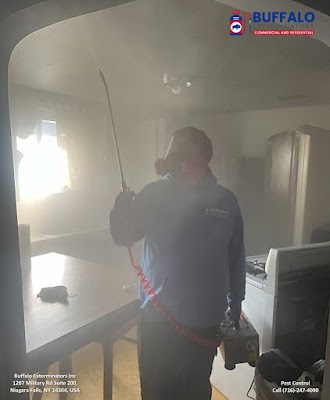
For bed bug pest control, PPE varies by task. During vacuuming and mattress handling, you will see gloves and sometimes light respirators to control dust. When applying liquids or dusts, respirators move to the right cartridges. For products with low volatility and directed application, an N95 or P100 with organic vapor cartridges may be used, guided by the Safety Data Sheet and label. Eye protection is normal. Disposable coveralls prevent technicians from becoming a vector. Between jobs, we bag and heat-decontaminate certain tools or use dry vapor steam to avoid carrying hitchhikers to the next client.
One more point that rarely makes the brochure: we rotate our clothing and footwear through a high-heat tumble in the shop at day’s end. This keeps our own homes and families safe, and it ensures we never walk yesterday’s problem into today’s appointment.
Heat treatment safety you should actually see
Heat is an elegant way to achieve complete bed bug extermination in a single day, but it carries real risk if mismanaged. We raise room temperatures to a lethal range, usually 130 to 140 F, and hold it long enough to cook eggs. The safety steps are non-negotiable.
Power loading comes first. We spread electric heaters across multiple circuits or bring in indirect-fired units outside with heat ducts in. We use calibrated thermometers and wireless data loggers in dead spots like dresser drawers, under couch cushions, and inside box springs. A dedicated tech watches the logs, and fans are placed to break up cold pockets. One of the biggest preventable errors is ignoring sprinklers. Dry systems can trip or crack if heated too fast. We shield heads, manage airflow, and keep temperature ramps slow around them.
Fire risk is less about open flame and more about trapped heat in items that hold it, like memory foam, vinyl records, candles, and aerosol cans. Those items get removed or staged in controlled zones. Electronics are handled case by case. Many can tolerate heat if air flows freely, but we do not gamble with irreplaceable media or failing solder joints. When in doubt, we isolate and target with steam and non-repellent chemistry later.
Good crews keep a fire extinguisher and a carbon monoxide monitor on site when using any combustion-powered equipment outside. They post a door sign so neighbors and building staff know a bed bug heat treatment is in progress and who to call if they have concerns.
Chemical treatment, done the way the label intends
Where heat is not feasible or where budgets push toward a phased plan, we rely on a bed bug chemical treatment program. Labels control everything here - rates, reentry times, surfaces allowed, and intervals between applications. We do not broadcast spray carpets or fog entire rooms. Instead, we combine non-repellents, desiccant dusts, and, when needed, products with synergists in very targeted placements. Crack and crevice around bed frames, behind baseboards, under drawer runners, and folding furniture seams are typical focus points.
The hazards we manage with chemistry fall into two buckets: acute exposure and resistance. For exposure, we ventilate, we cover food prep surfaces, and we keep applications away from toys and open shelving. Babies and pets are kept out until labels allow reentry - often two to four hours after dry time, but we confirm for each product. For resistance, we rotate actives and avoid overuse of pyrethroids alone. We also pair bed bug control with mechanical capture devices to cut population without leaning only on chemicals.
If you ask an experienced bed bug specialist about green options, you will likely hear a nuanced answer. Eco friendly bed bug exterminator approaches exist - heat, steam, silica dusts, mattress encasements, rigorous vacuuming - and they work best when combined. Organic bed bug treatment claims should be verified with labels. Essential oil products have a place as contact killers in a tight program but are rarely sufficient on their own for entrenched infestations.
Steam and vacuum: the quiet workhorses
Steam treatment and HEPA vacuuming are the backbone of safe bed bug removal. Dry vapor steam penetrates seams and screw heads without soaking wood. We move slowly, about one inch per second, holding tip temperatures over 180 F. The HEPA vacuum picks up live bugs and eggs, then we heat or dispose of the bags promptly. These steps immediately lower the bio-load and make any follow-up chemistry more effective.
This physical work is where craft shows. A good bed bug removal expert will dismantle a bed frame without stripping screws, note where rail-to-headboard joins harbor eggs, and reassemble with interceptors and encasements. They handle upholstered furniture with the same care, removing dust covers, inspecting webbing, steaming seams, and reattaching covers neatly.
Preventing spread between rooms and units
In apartments and hotels, a top rated bed bug exterminator treats containment as a parallel job. We stage a clean zone for tools near the unit door and use sealed bins inside the work area. Hallways get door sweeps or zipper barriers to stop wanderers. If the neighboring unit has activity, we coordinate with property management for synchronized service. Where only one unit shows evidence, we still inspect above, below, and on both sides. Bed bug control experts also advise on housekeeping cadence for multi-unit properties - daily vacuuming of corridors, linen cart inspections, and interceptors behind headboards reduce spread.
I once handled a case in a mid-rise where a single untreated recliner on a shared balcony undermined three months of progress. Our fix was simple in hindsight: removal and sealing of the furniture with the building’s approval, and a 20 minute steam session on the balcony rails. The lesson stuck - the perimeter matters.
Protecting vulnerable people and pets
A reputable bed bug pest control service will ask about infants in cribs, bassinet use, and co-sleeping. We often schedule treatments early in the morning so families can be out during nap windows. Crib mattresses get encasements that are specifically listed as bed bug proof and safe for infants. We avoid treating stuffed toys directly, opting for dryer cycles in sealed bags.
Pets need plans too. Cats and dogs should be out during service and reentry times. Birds are sensitive to aerosols and heat - they must leave the home during heat treatment. Aquariums can stay if they are tightly covered, filters shut off during application windows, and aeration resumed only after reentry is allowed. If a client cannot move fish, we work method by method around the tank rather than pushing a one-size solution.
Communication and documentation you should expect
Professionals leave a trail of clear paperwork and photos. After a bed bug extermination service, you should receive a report that lists products applied by name and EPA registration number, amounts used, lot numbers if required by your state, and exact locations treated. For heat, you should see a temperature chart that shows minimum lethal temperatures for target durations in key spots. The report should also list reentry times, laundering guidance, and the date of the next bed bug inspection.
If you are shopping for a bed bug extermination company near me, ask for a blank sample report before you hire. It reveals how seriously they take recordkeeping and safety.
Cost, speed, and what drives both
Clients often ask how much for a bed bug exterminator. Honest answer: it depends on size, clutter, method, and severity. As ballpark figures:
- Studio or one-bedroom with light to moderate activity using a two-visit chemical and mechanical program - commonly 700 to 1,200 dollars total. One to two bedrooms with heat treatment and follow-up inspection - often 1,500 to 3,000 dollars. Larger homes or heavy infestations with multiple follow-ups and furniture treatment - 2,500 to 5,000 dollars or more.
A cheap bed bug exterminator may quote a single low visit, then add fees for follow-ups, laundering, or mattress encasements. An affordable bed bug exterminator explains the full arc up front and helps you prioritize the spend. Mattress and box spring encasements, for instance, are inexpensive insurance that shortens the timeline. Interceptors are another low-cost add that pays back in faster confirmation of success.
What to ask before you book
When you interview a local bed bug exterminator, listen less for sales pitches and more for process. Do they inspect neighboring units in multi-family buildings? Do they use data loggers for heat? What is their reentry guidance, written not verbal? How do they prevent cross contamination between sites? What is the plan if bugs reappear in two weeks?
A guaranteed bed bug exterminator will define what the guarantee covers - usually live activity within a certain period - and what voids it, like reintroductions from guests or used furniture. Clarity here saves headaches later.
A short preparation checklist you can use
Clients appreciate a simple, safety-forward checklist before the team arrives. Keep it short and focused on the high-impact moves.
- Bag and seal all laundry and soft goods for hot washing and high-heat drying, then store clean items in new sealed bags or bins. Clear clutter from bed frames, sofas, and baseboards so technicians can access seams and joints without moving heavy stacks. Unplug small electronics near the bed, remove items that could melt or burst during heat, and stage sensitive valuables you will take with you. Make a pets plan - out of the home for the day, with aquarium covers and aeration plans set if tanks remain. Share health concerns with the crew lead on arrival and point out any rooms that could not be prepped.
Residential, commercial, and the subtle differences
A residential bed bug exterminator works in lived-in spaces with family rhythms. Privacy and thoroughness drive choices. A hotel bed bug exterminator moves faster, often at night, and works with maintenance to remove headboards and inspect wall voids along shared service chases. An apartment bed bug exterminator must navigate noise rules, elevators, and neighbors. In commercial offices, a bed bug control service focuses on textiles, break rooms, and soft seating, along with staff education to avoid panic and prevent overreporting.
In each setting, you should still see the same non-negotiables: labeled products, PPE, containment, documentation, and follow-ups.
Follow-ups, monitoring, and what “done” feels like
Even after a complete bed bug extermination, we monitor. Interceptors under beds and sofas get checked at 2 weeks and 4 weeks, sometimes longer for heavy cases. Any bed bug exterminator Niagara Falls, NY remaining bites or sleepscape anxiety are addressed with extra inspections and, if needed, spot treatments. A professional bed bug removal plan rarely declares victory on day one, even after heat. The true marker is silence in the monitors and the absence of fecal marks on bed piping for multiple sleep cycles.
We once treated a two-bedroom with heat, then placed eight monitors. Week two was clean. Week four showed a single first-instar in one interceptor near a suitcase closet. A 10 minute inspection found an overlooked luggage strap with a cluster of eggs. Steam and a dust touch-up, then zero captures afterward. That is the value of disciplined follow-up - it catches the outliers.

Red flags that say walk away
Not every provider who advertises bed bug extermination experts operates with care. Be cautious if you see over-the-counter foggers proposed as a solution, unmarked sprayers, no-glove handling of heavily infested mattresses, or a plan that ignores adjacent units in a building. If the company cannot tell you the reentry interval for a product or refuses to leave a written report, find another bed bug control company.
When speed matters - emergency and 24 hour calls
Yes, an emergency bed bug exterminator and even a 24 hour bed bug exterminator service can help in special cases: imminent move-ins, travelers with infested luggage, or units with high-occupancy needs. Safe speed looks like a same day bed bug exterminator performing an inspection, a containment clean, steam and vacuum that afternoon, and a return the next morning for full service. Beware of instant promises with no inspection. Even in emergencies, the inspection is the safety gate.
Choosing a partner for the whole journey
Finding bed bug removal near me or booking a bed bug treatment near me is easy. Choosing a partner who walks you from first bite to restful sleep takes more care. Look for a licensed bed bug exterminator, ideally a certified bed bug exterminator with state credentials and insurance. Read bed bug exterminator reviews for patterns - good communication, clear prep sheets, and consistent follow-up stand out. Ask for bed bug removal quotes that itemize methods, visits, and any equipment rentals. Compare bed bug exterminator cost alongside what you get: heat monitoring, encasements, interceptors, and guaranteed follow-ups change the value equation.
Once you hire, participate. Return clean laundry to sealed bins. Sleep in your bed to pull bugs into monitors and treated zones rather than on the couch. Resist the urge to move furniture around the home. Little choices on your side compound the professional work on ours.
A final word from the field
The most successful jobs I have seen did not start with the fanciest machine. They started with trust, a clear plan, the right safety guardrails, and steady execution. Whether you prefer a professional bed bug exterminator who leans on heat, one who layers steam with precise chemistry, or an eco friendly approach that maximizes mechanical tools, the safety protocols above are your north star. If you see them, you are in good hands. If you do not, keep looking. Your home deserves a bed bug removal and treatment plan that restores safety and sleep, not just for a week, but for good.